If you’ve ever felt that familiar burning creep up your chest or throat after eating, you already know how disruptive acid reflux can be. For some people it’s occasional. For others it’s daily and exhausting. Despite how common it is, reflux is often misunderstood and many popular solutions only deal with part of the problem.
Acid reflux occurs when stomach contents move upward into the oesophagus. This backflow can irritate sensitive tissue and lead to symptoms such as:
A burning sensation in the chest or throat
Bitter or acidic taste in the mouth
Hoarseness or sore throat
Chronic cough or wheezing
Discomfort after eating
Many people experience reflux occasionally. When symptoms are frequent or persistent, it may be diagnosed as GERD (gastroesophageal reflux disease), a more chronic condition that requires medical attention.
Reflux is rarely random. The most common contributors include:
Large meals or eating late at night
Fatty, fried or heavily processed foods
Alcohol and caffeine
Lying down soon after eating
Stress and poor sleep
Addressing these triggers often provides meaningful relief, sometimes without medication.
For years, reflux was explained purely as an acid issue. More recent research shows that pepsin, a protein-digesting enzyme from the stomach, plays a central role in tissue irritation.
When reflux occurs, pepsin can travel up into the throat and oesophagus. Even when acid levels drop, pepsin can remain active and continue damaging tissue if it is reactivated by acidic foods or drinks later.
Research led by Dr. Jamie Koufman has shown that pepsin becomes inactive at higher pH levels and that water containing natural bicarbonate can denature pepsin, preventing further irritation. This shifts the focus from simply suppressing acid to reducing enzyme activity.
These changes consistently show benefit for reflux sufferers:
Eating smaller meals
Avoiding lying down for at least two to three hours after eating
Raising the head of the bed
Reducing abdominal pressure through weight management
Improving sleep quality and stress regulation
Food choices matter. Many people benefit from:
Reducing fatty, spicy and acidic foods
Limiting alcohol and carbonated drinks
Focusing on whole foods, vegetables and fibre
Producing stomach acid requires water. When you're dehydrated, digestive secretions can be reduced, which make it harder to break down food properly and can contribute to reflux symptoms after eating. Mineral composition also matters. Some people find that naturally alkaline mineral water containing bicarbonate provides additional comfort compared to low mineral or artificially treated water.
Over-reliance on antacids
These neutralise acid temporarily but don’t address enzyme irritation or underlying triggers.
Long-term proton pump inhibitors
PPIs reduce acid production but don’t remove pepsin and may not resolve throat-based reflux symptoms. Medical supervision is essential.
Chasing high pH alone
pH without minerals doesn’t offer the same buffering capacity as natural mineral water as they lack bicarbonate.
Not all alkaline waters are the same.
Naturally alkaline mineral water gains its pH and bicarbonate from underground limestone and mineral geology.
Artificially alkalised water has its pH raised through processing, without the same mineral structure.
Research indicates that water containing bicarbonate may help deactivate pepsin on contact, which explains why some people experience reduced irritation when drinking mineral rich alkaline water alongside lifestyle changes.
This is not a cure and does not replace medical treatment, but it can be a useful supportive strategy.
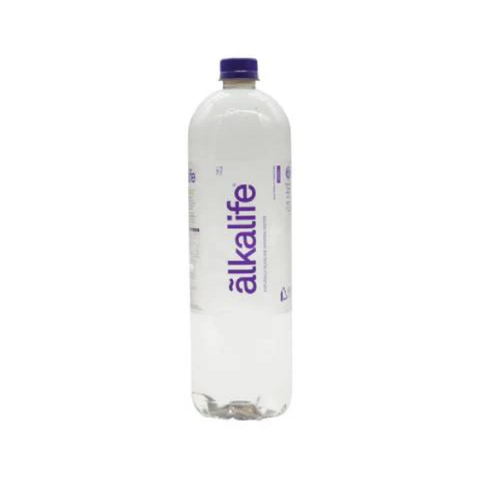
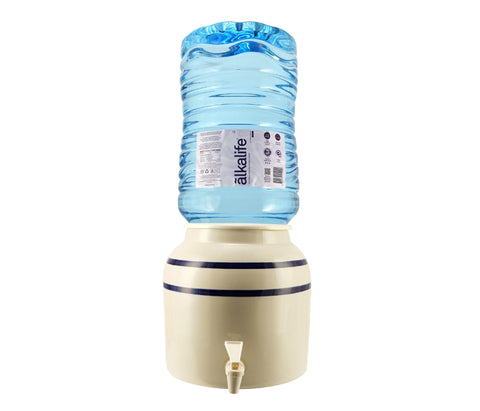
alkalife is a naturally alkaline mineral water containing over 200 mg/L of bicarbonate. The minerals occur naturally through underground limestone geology rather than processing.
Many people report that drinking alkalife helps reduce reflux discomfort. This likely relates to its mineral buffering effect rather than pH alone.
Results vary between individuals, and persistent reflux should always be discussed with a healthcare professional.
These are personal accounts, not clinical proof, but they reflect real-world use:
“I am nearly 38 weeks pregnant and had really bad reflux. I drank some alkalife water and it went away.” — Toni, NSW
“Within 15 minutes the discomfort eased off. In the weeks since, I’ve often forgotten to take my medication because the symptoms weren’t there.” — Charlie, NSW
“Those who suffer reflux find it helps them keep their stomach acid low.” — Natalie, Go Vita Revesby
If you’re dealing with reflux now, try this:
Sip water slowly rather than drinking large volumes at once
Stay upright after meals
Avoid trigger foods in the evening
Track what foods and habits worsen symptoms
Seek medical advice if symptoms are persistent, severe or worsening
What causes acid reflux?
Reflux is influenced by meal size, food choices, muscle function at the oesophagus, lifestyle factors and digestive enzymes like pepsin.
Is acid reflux the same as GERD?
No. GERD is a chronic, diagnosed condition with ongoing tissue damage risk.
Can alkaline water help reflux?
Some people report relief, particularly from mineral-rich alkaline waters containing a high bicarbonate content, which may deactivate pepsin and reduce irritation.
Is alkaline water safe to drink every day?
Yes, you can replace your regular drinking water with alkalife.
What are some natural remedies to relieve reflux?
Smaller meals, avoiding trigger foods, remaining upright after eating, stress reduction and mineral rich hydration are commonly helpful strategies.
Click here to view our products and try our naturally alkaline water. Use Code DETOX10 for $10 off your first order. Your cells (and your carbon footprint) will thank you.