Walk down the bottled water aisle and it doesn’t take long before things get confusing.
Some bottles shout alkaline.
Others highlight minerals.
A few do both.
They all look healthy. They all promise hydration. But they’re not the same thing. And depending on what you actually want from your water, the difference can matter more than most people realise.
Let’s clear it up.
The confusion is understandable.
Both are marketed as premium.
Both are associated with “better for you”.
Both often sit right next to each other on the shelf.
But they’re defined by completely different things.
Alkaline water focuses on pH.
Mineral water focuses on what’s naturally in the water.
Those two things overlap sometimes. Often, they don’t.
Alkaline water is simply water with a pH above 7.
There are two main ways water can become alkaline:
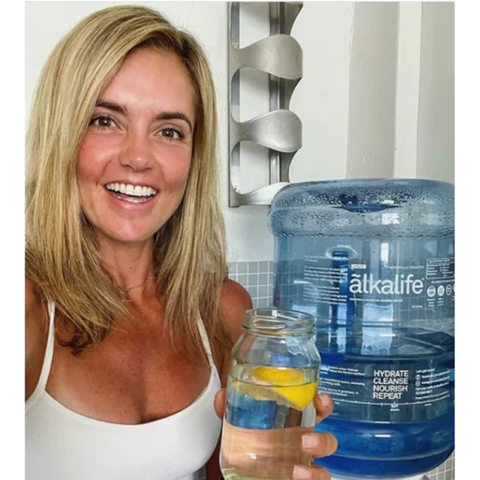
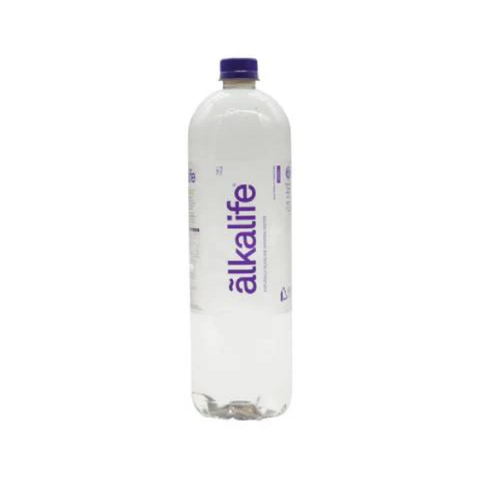
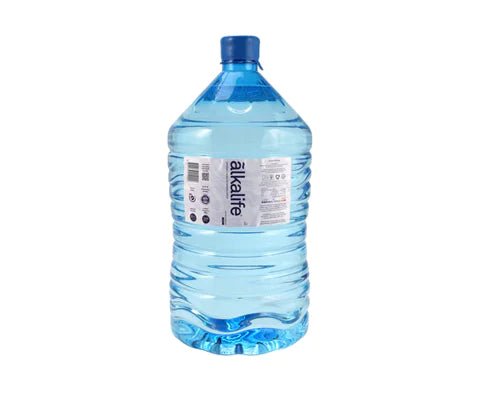
Naturally alkaline water becomes alkaline as it flows through mineral rich rock, picking up bicarbonate and calcium along the way e.g. alkalife
Processed alkaline water has its pH raised using ionisation machines or added compounds e.g. brands available in Coles and Woolworths
The key thing to understand is this:
pH tells you how alkaline the water is, not why it’s alkaline.
That distinction matters more than the number on the label.
Mineral water is defined by naturally occurring dissolved minerals that come from the source itself.
From a technical perspective:
Mineral water typically has a Total Dissolved Solids (TDS) level of 250 mg/L or greater
These minerals are absorbed naturally as water moves through rock formations
By comparison:
Spring water has a TDS below 250 mg/L
This is why many spring waters taste lighter but provide fewer electrolytes
Minerals commonly found in mineral water include:
Calcium
Magnesium
Bicarbonate
Silica
This is also where everyday bottled waters often get misunderstood. Many people assume popular spring waters are mineral rich or even alkaline, when they’re actually very low in dissolved minerals and acidic. We explore that difference in more detail in our Mount Franklin vs alkalife comparison.
Here’s the important nuance most articles miss.
Some mineral waters are naturally alkaline.
Their alkalinity comes from bicarbonate and calcium that occur naturally in the water.
This is where mineral rich alkaline water like alkalife sits.
These waters aren’t alkaline because they’ve been altered. They’re alkaline because of the alkaline minerals they've picked up over time.
This overlap is where water tends to be most functional.
Most alkaline waters on the market achieve a high pH without meaningful mineral content.
This usually happens through:
Ionisation
Added alkaline compounds
Post-source processing
The result can be water that looks impressive on paper but behaves very differently in the body.
High pH on its own doesn’t guarantee:
Electrolytes
Stable alkalinity
Effective hydration
This difference is something we break down in detail in comparisons like Alka Power vs alkalife and Kangen vs natural alkaline water, where pH numbers and mineral content tell very different stories.
Hydration isn’t just about how much water you drink.
It’s about how well that water is absorbed and used.
Minerals play a role in:
Moving water into cells
Supporting fluid balance
Reducing how quickly water passes straight through the body
This is why alkalife drinkers report feeling more hydrated while drinking less. Naturally occurring electrolytes help water reach where it’s actually needed, rather than just flushing through.
pH can influence comfort.
Minerals influence function.
People don’t talk about taste enough when it comes to hydration, but it matters.
Waters with a TDS between roughly 250 and 500 mg/L are widely regarded as the most enjoyable to drink. They tend to taste balanced, soft and smooth rather than flat or bitter. alkalife falls in this category which gives it a soft and smooth mouthfeel.
Very low mineral waters often taste thin.
Overly processed waters can taste harsh.
Enjoyment affects consistency, and consistency affects hydration. It’s that simple.
| Feature | Alkaline water (general) | Mineral water | alkalife |
|---|---|---|---|
| Alkalinity source | Often processed | Naturally occurring | Naturally occurring |
| Mineral content | Generally low | High | High and naturally occurring |
| Electrolytes | Not guaranteed | Present | Naturally present |
| Hydration quality | Variable | Consistent | Deep, cellular hydration |
| Taste | Can be harsh or flat | Balanced | Soft and smooth |
For most people, the better choice is water that is naturally alkaline and mineral rich. That’s exactly what alkalife delivers. Rather than chasing pH numbers, it provides hydration that works at a cellular level, supports digestion, and tastes so good you'll want to drink it every day.
Water doesn’t need to be extreme to be effective.
The goal isn’t the highest pH or the cleanest label. It’s choosing water that works with your body rather than just passing through it.
Understanding the difference between alkaline water and mineral water makes that choice a lot clearer.
View our products and try our naturally alkaline water. Use Code DETOX10 for $10 off your first order. Your cells (and your carbon footprint) will thank you.
Is mineral water always alkaline?
No. Some mineral waters are neutral or slightly acidic. Others are naturally alkaline depending on their mineral profile.
Is alkaline water better than mineral water?
Not necessarily. Alkaline water without minerals behaves very differently to mineral rich alkaline water.
Can alkaline water lack minerals?
Yes. Many alkaline waters are processed to raise pH but contain very few naturally occurring minerals.
Does mineral water hydrate better?
Mineral water often supports more effective hydration because electrolytes help water move into cells.
What should I look for on the label?
Look for source transparency and a mineral analysis, not just a high pH number.