If you’ve ever stood in the supermarket staring at a wall of neon sports drinks and electrolyte sachets wondering, do I really need all this just to stay hydrated? you’re not alone.
Somewhere along the way, we were taught that electrolytes only come from powders or bright coloured bottles with loud fonts. As if hydration requires a chemistry set.
Here’s the quieter truth.
You can get electrolytes from water.
Real water.
Mineral-rich water.
And humans did exactly that for thousands of years before anyone invented a fructose-laden blue recovery drink.
Electrolytes are simply minerals that carry an electrical charge. Nothing spooky. No lab coats required.
They help your body do the basics like:
Move fluids in and out of cells
Support muscle function
Help nerves send signals
Maintain fluid balance, especially when you sweat or feel run down
The key ones you’ll hear about most often are:
Sodium
Potassium
Magnesium
Calcium
Bicarbonate
Your body uses these every day. Not just when you run a marathon or forget to drink water until 3 pm.
Ask most people where electrolytes come from and they’ll say:
Sports drinks
Electrolyte powders
Coconut water
Functional beverages with crazy labels
These products can be useful in specific situations. Long training sessions. Hot days. Big sweat losses.
But they are not the only source. And they are definitely not how humans originally got electrolytes.
Here’s the part that surprises people.
Natural mineral water already contains electrolytes. No adding. No mixing. No tearing open sachets with your teeth.
As water moves slowly through rock and limestone underground, it naturally absorbs minerals along the way. Those minerals are dissolved in the water in a form your body recognises and uses easily.
This is very different from purified or distilled water, which is stripped back to H₂O. Clean, yes. But empty of minerals.
Mineral water, on the other hand, comes with electrolytes built in.
Quietly. Consistently. Daily.
Think of underground aquifers as nature’s slow cooker.
Rainwater filters down through layers of rock over years, often decades. Along the way, it picks up minerals like calcium, magnesium, and bicarbonate.
The longer the journey and the richer the geology, the more mineral character the water can develop.
This is why source matters.
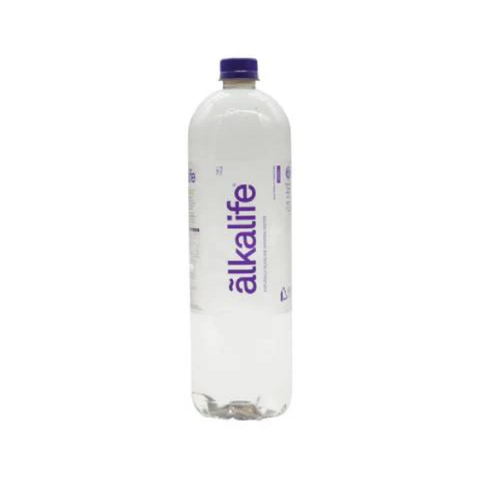
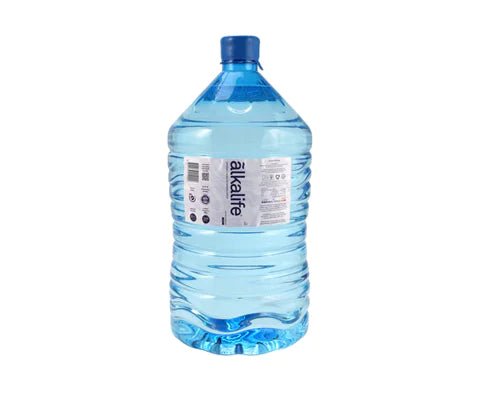
For example, alkalife is sourced from underground limestone caverns in the Jenolan Caves region of New South Wales. As the water travels through the limestone and quartz, it naturally collects bicarbonate, calcium, magnesium, and silica.
Nothing added. Nothing forced. Just geology doing its thing.
Bicarbonate is an electrolyte that rarely gets the spotlight, but it should.
It plays a role in the body’s natural acid buffering processes and is one reason some mineral waters taste noticeably smoother and softer.
You will often see bicarbonate added to powders, but in natural mineral water, it is already there in balance with other minerals. Which is part of why mineral water tends to feel easier to drink throughout the day.
No flavouring required. No sweeteners sneaking in.
Not all water contains minerals, even if the bottle looks very premium.
When choosing a mineral water, look for:
The words “natural mineral water” on the label
A mineral breakdown listed clearly
Source transparency
A smooth taste, which often points to bicarbonate presence
Be cautious of:
Purified water with minerals added back in later
Drinks marketed as hydration but loaded with sugar
Imported waters that have been sitting in storage for months
Freshness matters. So does mineral integrity.
Electrolytes are not a trend. They are basic human biology.
You do not always need to add them.
Sometimes, you just need to choose the right water.
Mineral rich water delivers electrolytes the way nature intended. Slowly, consistently, and without the marketing circus.
Hydrate naturally.
Sip better.
Let your water do some of the work.
Yes. Natural mineral water contains electrolytes in the form of naturally dissolved minerals like calcium, magnesium, and bicarbonate. These occur naturally as water moves through rock and limestone underground. Unlike purified water, mineral water retains these electrolytes without anything being added later.
The electrolytes commonly found in mineral rich water include:
Calcium
Magnesium
Sodium (in varying amounts)
Bicarbonate
The exact mineral profile depends on the water source and geology. Some waters, like alkalife, are naturally higher in bicarbonate and calcium due to limestone filtration.
Not always. Mineral water naturally contains electrolytes, while some electrolyte waters are purified water with minerals added back in artificially. Mineral water gets its electrolytes directly from the source, which many people prefer for everyday hydration.
For most people, yes. Mineral rich water supports everyday hydration and electrolyte intake without the need for powders or sports drinks. Situations involving heavy sweating, extreme heat, or endurance exercise may call for additional electrolyte support, but for daily life, mineral water is often sufficient.
Alkaline water can contain electrolytes if it is naturally alkaline due to mineral content, particularly bicarbonate and calcium. Not all alkaline waters are the same. Some are chemically altered, while others, like natural alkaline mineral water, get their alkalinity from naturally occurring minerals.
Bicarbonate is a naturally occurring electrolyte found in certain mineral waters. It plays a role in the body’s natural acid buffering processes and is often associated with a smoother, softer taste. Bicarbonate is rarely found in plain purified water unless it is added.
Electrolyte powders are useful in specific situations such as intense exercise or heavy sweating. Mineral water is designed for consistent, everyday hydration, offering electrolytes in a gentler, more balanced way without added sugars, flavours, or sweeteners.
Yes. Natural mineral water is safe for daily consumption and is commonly consumed this way around the world. Always check the mineral content if you are monitoring sodium intake, but most mineral waters are suitable for regular hydration.
Check the label. Look for:
“Natural mineral water”
A listed mineral analysis
Clear source information
If minerals like calcium, magnesium, or bicarbonate are listed, the water contains electrolytes.
They serve different purposes. Purified water is clean but stripped of minerals, while mineral water retains naturally occurring electrolytes. Many people choose mineral water for taste, mouthfeel, and mineral content as part of daily hydration.