You’re drinking water.
You’ve got the giant emotional support bottle.
You may have even whispered “today is the day I become someone who drinks three litres a day.”
And yet… you still feel tired.
The 3pm slump hits like a freight train. Your lips feel dry. Your brain feels foggy. You stand up too quickly and suddenly you’re seeing stars like you’re auditioning for a boxing match.
What gives?
Hydration is often oversimplified into one piece of advice: drink more water.
But that’s a bit like telling someone struggling with finances to simply make more money. Helpful in theory. Missing a few important details in practice.
Because hydration isn’t just about quantity. It’s about timing, minerals, habits and what else you’re consuming throughout the day.
Here are seven surprisingly common hydration mistakes that may be leaving you more tired than you realise.
You wake up dehydrated.
That sounds dramatic, but after 7 to 8 hours of sleeping (and breathing, sweating and generally existing), your body has gone a long stretch without fluids.
Yet many people roll straight into:
…and suddenly it’s 1pm and they’ve had exactly three sips of water.
This is where people unknowingly put themselves on the back foot.
When you leave most of your hydration until the afternoon or evening, you’re often playing catch up all day which can leave you feeling:
There’s also a practical issue: if you try to cram most of your water intake into the evening, you’re more likely to spend half the night waking up to use the bathroom like a pensioner on a cruise ship.
Not ideal.
Front load your hydration.
Aim to drink a meaningful portion of your daily intake before lunch.
A simple target:
Many people notice improved energy simply by hydrating earlier in the day instead of treating water like an afterthought.
And yes, you can still have your morning coffee.
Just maybe don’t make it your opening act.
Thirst is not an early warning system. It’s more like that friend who texts “I’m here” after they’ve already arrived and are annoyed you’re not ready.
By the time you feel thirsty, mild dehydration may have already kicked in.
Even losing 1 to 2% of your body’s water can affect mood, concentration and energy levels. Research has linked mild dehydration to fatigue, headaches and reduced cognitive performance.
This becomes even more noticeable if you:
Drink consistently throughout the day rather than trying to “catch up” at night.
A simple rule:
Simple. Boring. Effective.
We’ve all done the panic drink.
You realise it’s 4pm and you’ve had exactly two sips all day, so you inhale a litre of water like you’re crossing the Sahara.
Your bladder will process that dramatic performance quickly.
Drinking excessive amounts in one go can dilute sodium levels temporarily and often leads to more bathroom trips than actual hydration benefits.
Slow and steady wins this race.
Sip consistently throughout the day.
Keep water visible:
Convenience beats motivation every time.
This is where people get confused.
Hydration isn’t just about water volume. Your body also relies on minerals like:
These help support fluid balance, nerve function and muscle performance.
Purified waters can taste harsh because all the naturally occurring minerals have been stripped out during processing.
Naturally alkaline mineral water contains minerals that occur in nature, which can create a smoother drinking experience and help support hydration.
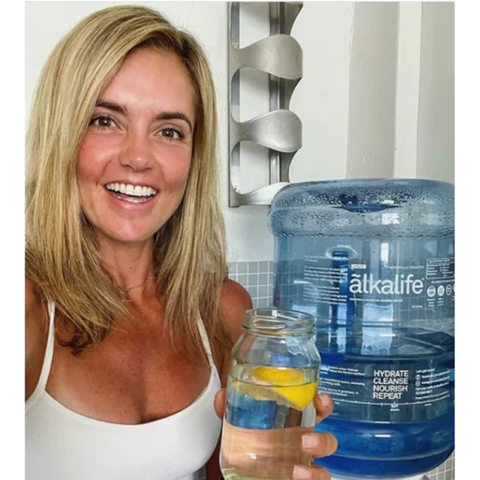
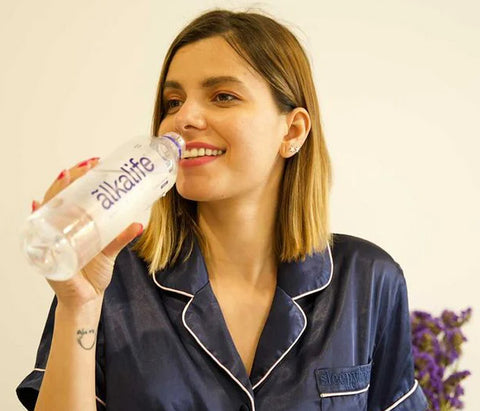
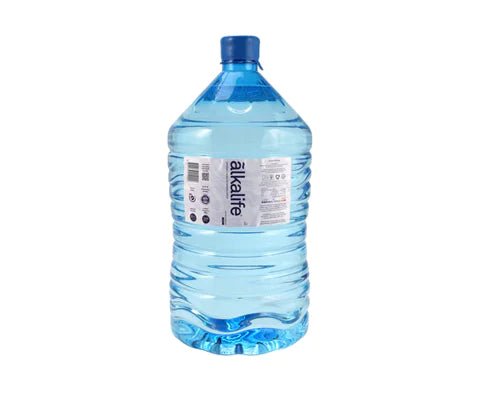
ãlkalife is naturally filtered through layers of ancient limestone and quartz over time, resulting in naturally occurring minerals and a soft and smooth taste that many people find easier to drink consistently.
No gimmicks. No artificial alkalising processes. Just geology doing what geology does best: taking its sweet time.
Many people only think about hydration during or after exercise.
That’s late.
If you start a workout already dehydrated, you may notice:
Even mild dehydration can increase perceived effort during exercise. Which explains why some runs feel like a personal attack.
Hydrate consistently the day before and in the hours leading up to exercise.
Especially if:
Alcohol increases fluid loss by suppressing vasopressin, a hormone that helps your body retain water.
This is partly why you wake up feeling like a dried apricot after a night out.
Alternate alcoholic drinks with water.
And before bed:
Drink water.
Remove makeup.
Regret text messages.
Basic self care.
Sometimes fatigue has bigger causes.
Poor sleep. Stress. Nutrient deficiencies. Burnout. Medical conditions.
But dehydration often gets overlooked because it feels too simple.
And yet many people notice:
…without ever asking whether they’re consistently hydrated.
It’s worth ruling out the basics before jumping straight to expensive supplements named things like Neuro Max Ultra Focus Complex.
(Not a real product. Probably.)
The old “eight glasses a day” rule is a rough guideline, not universal law.
Your needs vary based on:
According to Australia’s National Health and Medical Research Council, adequate daily fluid intake is approximately:
This includes fluids from food and beverages.
If you constantly feel tired, flat or foggy, hydration is worth examining before assuming something more complicated is going on.
Sometimes the fix isn’t drinking more water.
It’s drinking smarter:
Small changes add up.
And if your current water tastes like absolutely nothing and feels like a chore to drink, switching to something naturally mineral rich and soft and smooth like ãlkalife might make staying hydrated feel a little less like admin.
Which, frankly, we could all use.
View our products and try our naturally alkaline water. Use Code DETOX10 for $10 off your first order. Your cells (and your carbon footprint) will thank you.
Is mineral water always alkaline?
No. Some mineral waters are neutral or slightly acidic. Others are naturally alkaline depending on their mineral profile.
Is alkaline water better than mineral water?
Not necessarily. Alkaline water without minerals behaves very differently to mineral rich alkaline water.
Can alkaline water lack minerals?
Yes. Many alkaline waters are processed to raise pH but contain very few naturally occurring minerals.
Does mineral water hydrate better?
Mineral water often supports more effective hydration because electrolytes help water move into cells.
What should I look for on the label?
Look for source transparency and a mineral analysis, not just a high pH number.